
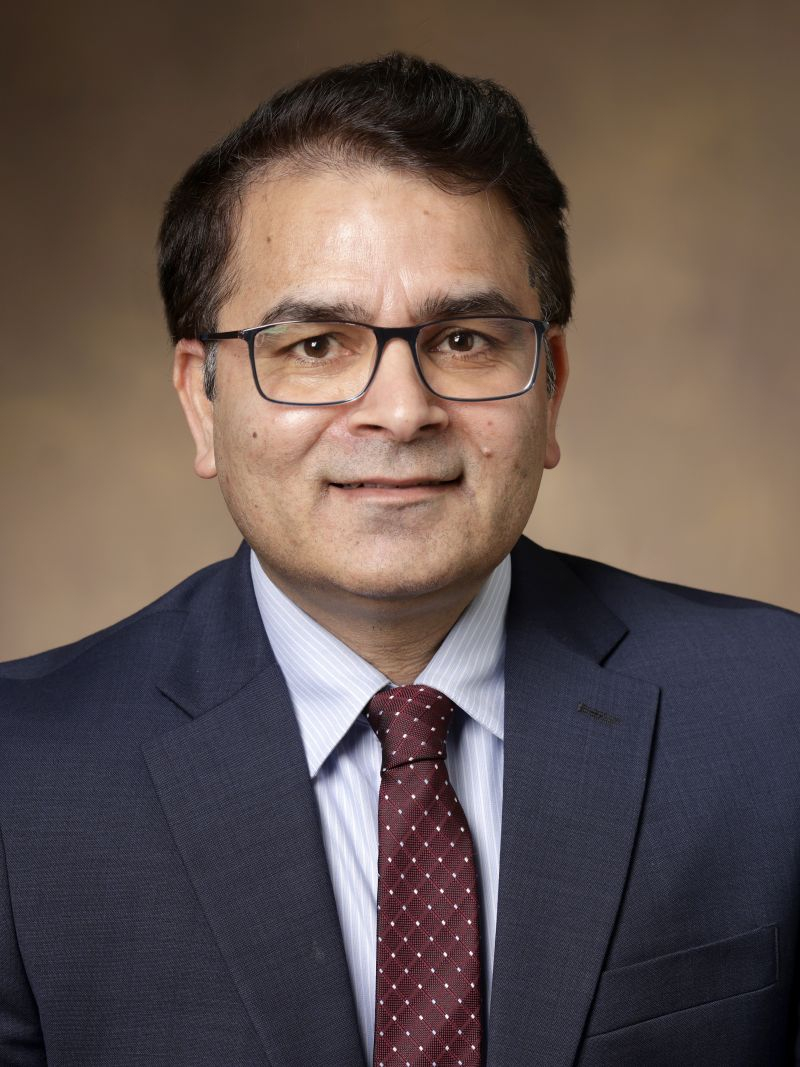
Mohammad Saleem, PhD, is a Research Instructor in Medicine in the Division of Genetic Medicine and Clinical Pharmacology at Vanderbilt University Medical Center (VUMC). His long-term research focuses on investigating immune cell-mediated salt-sensitivity of blood pressure. He aims to identify therapeutic targets, prognostic indicators, and biomarkers to diagnose and treat SSBP and its related complications, including autoimmune diseases such as rheumatoid arthritis and systemic lupus erythematosus.
Dr. Saleem completed his graduate training at the University of Houston, where he investigated the role of oxidative stress and renal angiotensin II type 1 (AT1) receptors in hypertension. Through complementary in vivo and in vitro studies, he demonstrated that oxidative stress via Sp3 transcription factor upregulates renal AT1 receptor, contributing to the development of hypertension.
To further expand his expertise, Dr. Saleem joined VUMC as a postdoctoral fellow. He demonstrated that deletion of the transcription factor Sox6 in renin-expressing cells protects mice from kidney injury and renovascular hypertension during renal artery stenosis. He also identified the role of Sox6 in promoting the differentiation and expansion of renin-expressing cells from vascular smooth muscle cells.
During his subsequent postdoctoral fellowship at VUMC, Dr. Saleem used human samples and transgenic mouse models to study the JAK2–STAT3–SMAD3 pathway in antigen-presenting cells (APCs). His work showed that activation of this pathway drives T-cell activation and cytokine production, contributing to SSBP and kidney injury.
Dr. Saleem’s ongoing research seeks to bridge the fields of salt-sensitive hypertension and autoimmunity, providing new mechanistic insights into how high sodium intake disrupts immune regulation and promotes disease.