
Niswender Lab
Pathogenesis of obesity and diabetes: Impact on brain function and peripheral metabolism
The laboratory of Kevin Niswender, MD, PhD, is interested in the neuroendocrine regulation of feeding and pathogenesis of obesity and makes extensive use of the full translational spectrum of model systems ranging from cell culture and animal models to human investigation.
Our techniques encompass molecular pharmacology, medicinal chemistry, molecular biology, biochemistry, metabolic clamps, behavioral testing, and imaging.
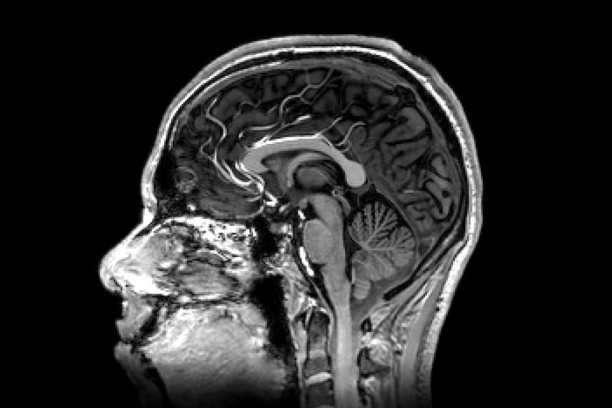
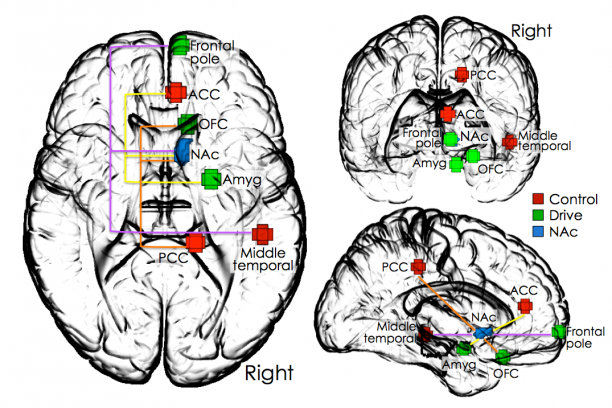
Investigating reward/control/drive networks in childhood obesity
The Niswender lab focuses on the shared mechanisms between the development of obesity and diabetes, cardiometabolic risk, and the clinical implications of insulin resistance, lipid accumulation, and inflammation.
We are also increasingly interested in shared mechanisms between obesity and diabetes pathogenesis and common neuropsychiatric co-morbidities.
Translationally, we are investigating the effects of body composition in obesity using novel fat-water magnetic resonance imaging (MRI) on neural function, lipoprotein metabolism, vascular function and other endpoints.
Finally, we are actively engaged in drug discovery efforts to develop novel therapeutics for these disorders.
Principal Investigator

Associate Professor of Medicine
Division of Diabetes, Endocrinology and Metabolism
Department of Medicine
Associate Professor of Molecular Physiology and Biophysics
Vanderbilt University Medical Center
Education and Training Opportunities
The Niswender Lab offers a range of educational and research activities for graduate students and postdoctoral fellows. These include journal clubs, seminars and direct research experiences.
Students interested in a rotation in the lab or conducting their dissertation work in the Niswender Lab should email Kevin Niswender and send along a CV.