Patient Stories
Living with POTS and Autonomic Disorders
Every patient’s story is different—but the message is the same: There is hope. There are answers. And there are people who understand.
Kristin’s story of living with POTS
“For years, I fainted—sometimes once a week, sometimes several times a day. I was told it was ‘in my head’ or that I would grow out of it.”
Everything changed when Kristin came to Vanderbilt.
“Even on the hardest days, I felt cared for. The doctors didn’t just treat me—they listened. They explained everything, answered every question, and made me feel like I mattered.”
After years of uncertainty, Kristin finally had a diagnosis: POTS, Postural Tachycardia Syndrome.
“It wasn’t easy—but for the first time, I had answers and hope. That made all the difference.”
Angela’s story of living with POTS
“Before Vanderbilt, I felt completely alone.”
Through the Autonomic Clinic and Clinical Research Center, Angela found something unexpected—connection.
“The team was kind, patient, and truly understood what I was going through. Being part of research helped me learn about my condition—and feel like I was contributing to something bigger.”
“I didn’t choose this condition—but I’m so grateful for the people who chose to study and treat it.”
Shannon’s story of living with POTS
“I was in medical school when everything changed.”
After a sudden illness, Shannon could barely stand without symptoms. It took time—but she was eventually diagnosed with POTS.
“At first, I tried to push through like nothing had changed. But POTS taught me something important: I had to listen to my body.”
She learned to:
- Set boundaries
- Say no without guilt
- Focus on what she can do
“Some days are hard—but POTS is something I have. It’s not who I am.”
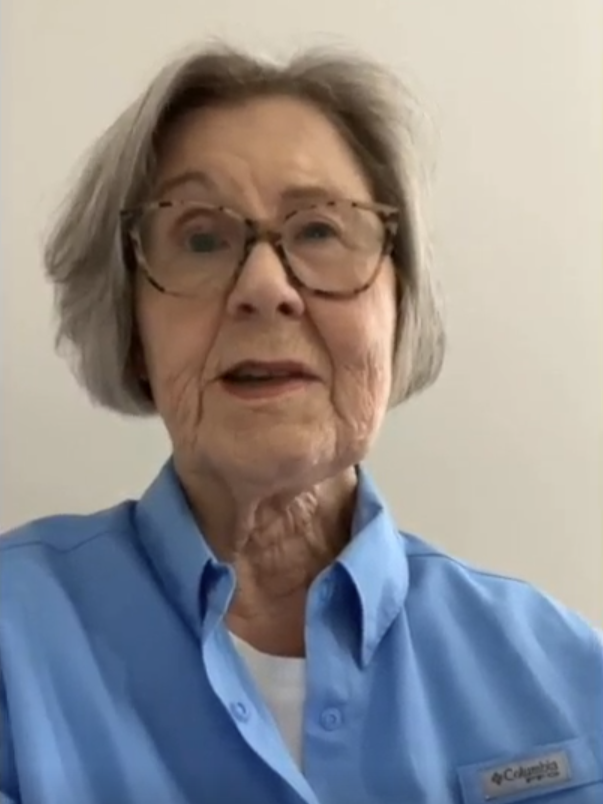
Lynn’s story of living with Baroreflex Failure
“For years, no one could explain what was happening to me.”
Lynn experienced extreme swings in blood pressure—high one moment, dangerously low the next. She was misdiagnosed for decades.
“It wasn’t until Vanderbilt that I finally got answers.”
With a diagnosis of Baroreflex Failure, Lynn finally understood her symptoms.
“Even after all these years, I know they’re there for me. That kind of care stays with you.”