
Translational Research in Endocrinology and Diabetes (TREAD)
TREAD Overview
The Translational Research in Endocrinology and Diabetes (TREAD) is a multi-disciplinary postdoctoral research training program integrated closely with training activities of Vanderbilt University School of Medicine and Vanderbilt Diabetes Center.
Its goal is to provide postdoctoral trainees with the knowledge and skills required for independent clinical or basic science research careers.
TREAD at a glance
Program Directors:
Sarah Jaser, PhD,
Alvin C. Powers, MD,
Kevin Niswender, MD, PhD
Established: 1973
Size: 2 basic science, 2 clinical
T32
Postdoc
Questions? Email Dr. Niswender
Mentored research opportunities for MD and PhD trainees
MD trainees are encouraged to acquire a firm foundation in the basic sciences, but also to select projects in translational or clinical research areas. PhD trainees are urged to relate their research to health-oriented problems. MD trainees usually have two or three years of residency training before entering the program, while PhD trainees have typically just received or are one year out from their doctorate.
Trainees are selected on the basis of demonstrated research interests and especially on their potential as future researchers and educators. Positions are allocated approximately equally between MD and PhD trainees. The two-year training program utilizes the preceptor approach, in which the trainee develops a research project under the guidance of a faculty preceptor.
Typical research topics include:
- Hormone action in humans as it relates to diabetes
- Intermediary metabolism
- Micronutrient effects on metabolic disease
- Metabolic regulation
- Molecular genetics of metabolic diseases
- Translation of diabetes care delivery
In over four decades of NIH support, the program has supported more than 100 trainees, and over 70 percent have chosen careers in academia, industry or government.
Interdisciplinary Program
This postdoctoral training program is sponsored by the Vanderbilt University School of Medicine and the Vanderbilt Diabetes Research Center (VDRC). It is a mentor-based interdisciplinary program across seven medical school departments that trains both MDs and PhDs for one to two years in research broadly related to diabetes, endocrinology, metabolism, and nutrition. The goal of the program is to provide postdoctoral fellows with the necessary knowledge and skills to perform independent research at the faculty level upon completion of their training.
This is a mentor-based program in which training is provided in the laboratory of one or more of the approximately 30 preceptors who support this program and who are also members of the Vanderbilt VDRC. For PhDs the mentor is decided before application to the program; for MDs, the mentor may be selected before or shortly after entry into the training program. Clinical training for MDs in clinical departments can continue during their research training years, but this is limited to less than 20 percent of their time.
Trainees are expected to form a mentoring committee, consisting of faculty with related research interests, in the first month of training. The role of this committee is to help guide the research of the trainee. The trainee is also expected to prepare an individual fellowship application during the first year to develop skills in grant writing.
Research Topics
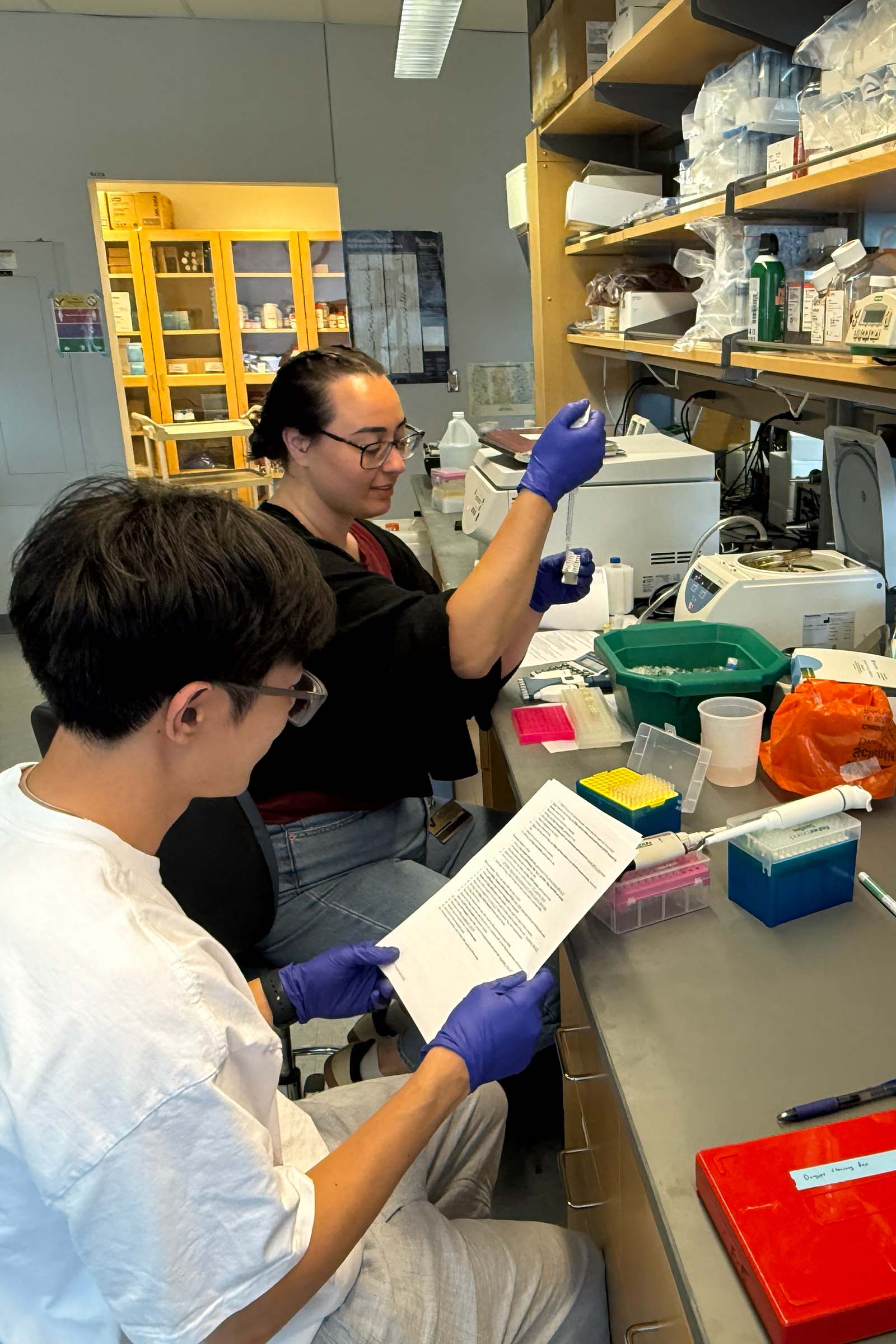
Research training is offered across a variety of disciplines and disease-oriented fields. These include hormone action in humans as it relates to diabetes, animal models of disease, islet biology, intermediary metabolism, micronutrient effects on metabolic disease, metabolic regulation, molecular genetics of metabolic diseases, clinical research in diabetes and obesity, and translation of diabetes care delivery.
Research projects are designed by the trainee and preceptor. Many of the training faculty in the basic sciences have projects that translate directly to human biology or disease, and many preceptors in clinical departments have research programs that are firmly rooted in the basic sciences. Collaborative projects with researchers in the basic science departments are arranged if they can provide the trainee with new skills necessary for their main project.
Program Enrichment
All trainees are encouraged to consider alternate degree programs as part of their training, such as study leading to the Master of Public Health or Master of Science in Clinical Investigation offered at Vanderbilt.
The program is also enriched by the presence of numerous core facilities at Vanderbilt and under the VDRC. These include the Vanderbilt Clinical Research Center, where both inpatient and outpatient research may be performed, and VDRC-supported cores, which provide metabolic assays, develop knockout or transgenic mice, and assist with complex metabolic phenotyping of research animals.
Mandatory training is also provided in the ethical conduct of research, biohazards and safety. Finally, the program is enriched by the activities of the Vanderbilt Diabetes Center, which include a weekly research speaker program and an annual Diabetes Day symposium where trainees present their work.
Program Directors and Contact:
Kevin Niswender, MD, PhD
Associate Professor of Medicine
Division of Diabetes, Endocrinology & Metabolism
Department of Medicine
Associate Professor of Molecular Physiology and Biophysics
Alvin Powers, MD
Professor of Medicine
Division of Diabetes, Endocrinology & Metabolism
Department of Medicine
Joe C. Davis Chair of Biomedical Sciences
Sarah Jaser, PhD
William R. Long Director, Division of Pediatric Psychology
Professor of Pediatrics, Pediatric Psychology
Department of Pediatrics
Faculty | Primary Appointment |
| Ray Blind, PhD | Division of Diabetes, Endocrinology and Metabolism, Department of Medicine |
| Rachel Bomani, PhD | Division of Rheumatology and Immunology, Department of Medicine |
| Marcela Brissova, PhD | Division of Diabetes, Endocrinology and Metabolism, Department of Medicine |
| Evan Brittain, MD, MSCI | Division of Cardiovascular Medicine, Department of Medicine |
| Catherine Cahill, MD | Division of Allergy, Pulmonary and Critical Care Medicine, Department of Medicine |
| Jeeyeon Cha, MD, PhD | Division of Diabetes, Endocrinology and Metabolism, Department of Medicine |
| Kate Coate, PhD | VUSM Department of Molecular Physiology and Biophysics |
| Sheila Collins, PhD | Division of Cardiovascular Medicine, Department of Medicine |
| Sean Davies, PhD | VUSM Department of Pharmacology |
| Danielle Dean, PhD | Division of Diabetes, Endocrinology and Metabolism, Department of Medicine |
| Tom Elasy, MD, MPH | Division of General Internal Medicine and Public Health, Department of Medicine |
| Charles Flynn, PhD | Department of Surgery |
| Maureen Gannon, PhD | Division of Diabetes, Endocrinology and Metabolism, Department of Medicine |
| Justin Gregory, MD, MSCI | Department of Pediatrics |
| Fiona Harrison, PhD | Division of Diabetes, Endocrinology and Metabolism, Department of Medicine |
| Bill Heerman, MD, MPH | Department of Pediatrics |
| AJ Hinton, PhD | VUSM Department of Molecular Physiology and Biophysics |
| Adriana Hung, MD, MPH | Division of Nephrology and Hypertension, Department of Medicine |
| T. Alp Ikizler, MD | Division of Nephrology and Hypertension, Department of Medicine |
| Sarah Jaser, PhD | Department of Pediatrics |
| John Koethe, MD, MSCI | Division of Infectious Diseases, Department of Medicine |
| MacRae F. Linton, MD | Division of Cardiovascular Medicine, Department of Medicine |
| William Martinez, MD, MSc | Division of General Internal Medicine and Public Health, Department of Medicine |
| Mona Mashayekhi, MD, PhD | Division of Diabetes, Endocrinology and Metabolism, Department of Medicine |
| Lindsay Mayberry, PhD | Division of General Internal Medicine and Public Health, Department of Medicine |
| Danel Moore, MD, PhD | Department of Pediatrics, Pediatric Endocrinology |
| Lyndsay Nelson, PhD | Division of General Internal Medicine and Public Health, Department of Medicine |
| Kevin Niswender, MD, PhD | Division of Diabetes, Endocrinology and Metabolism, Department of Medicine |
| Jeffrey Nyman, PhD | Department of Orthopaedic Surgery |
| Al Powers, MD | Division of Diabetes, Endocrinology and Metabolism, Department of Medicine |
| McKenzie K. Roddy, PhD, MS | Division of General Internal Medicine and Public Health, Department of Medicine |
| Russell Rothman, MD, MPP | Division of General Internal Medicine and Public Health, Department of Medicine |
| Christianne Roumie, MD, MPH | Division of General Internal Medicine and Public Health, Department of Medicine |
| C. Henrique Serezani, PhD | Division of Infectious Diseases, Department of Medicine |
| Ravi Shah, MD | Division of Cardiovascular Medicine, Department of Medicine |
| Cyndya A. Shibao, MD, MSCI | Division of Genetic Medicine and Clinical Pharmacology, Department of Medicine |
| Ashley Shoemaker, MD, MSCI | Department of Pediatrics, Pediatric Endocrinology |
| Jordan Wright, MD, PhD | Division of Diabetes, Endocrinology and Metabolism, Department of Medicine |
- Nike Izmaylov, MD
Research Mentor: Kevin Niswender, MD and Christianne Roumie, MD
Research Description: Enhancing Inpatient Glycemic Control and Safety at Tennessee Valley Healthcare System - Jacob Pruett, MD, PhD
Research Mentor: Jeeyeon Cha, MD, PhD
Research Description: Therapeutic Role of Senescence Modulation in Pancreatic Islet Beta-Cell Dysfunction in Diabetes - Abigail Ciriegio, PhD
Research Mentor: Sarah Jaser, PhD
Research Description: Investigating the interplay between disease distress, sleep, and executive functioning in adolescents with type 1 diabetes - Nong Nonpanya, PhD
Research Mentor: Marcela Brissova, PhD
Research Description: Identifying islet and beta cell diabetes resilience pathways through chronic pediatric pancreatitis profiling
- Aspen Streetman, PhD
Research Mentor: Bill Heerman, MD, MPH
Research Description: Empowering individuals, especially women, to take control of their health by initiating and maintaining physical activity - Aleshia Seaton-Terry, PhD
Research Mentor: Ray Blind, PhD
Research Description: The direct regulatory effects of Dynamin 2 and Phospholipase C β (PLCβ) on SF1 target genes - Mohammad Akbar, MD
Research Mentor: Justin Gregory, MD, MSCI
Research Description: Determination of latrogenic Hyperinsulinemia’s Contribution to Insulin Resistance and Endothelial Dysfunction in Type 1 Diabetes - Rachel Azevedo, MD
Research Mentor: Ashley Shoemaker, PhD
Research Description: Patient perceptions of genetic testing in pediatric obesity management and its impact on patient outcomes - Adrienne Marler, DO
Research Mentor: Lea Davis, PhD
Research Description: The relationship between gender-affirming hormone therapy and lipid trends in transgender adults - Hubaida Fuseini, PhD
Research Mentor: John Koethe, MD
Research Description: T-cells in HIV infected diabetics - C. James Poland, PhD
Research Mentor: Charles Flynn, PhD
Research Description: Bile acids control response to bariatric surgery - Christopher Wilson, PhD
Research Mentor: Dan Moore, MD, PhD
Research Description: To define the structural determinants that define IgM capable of immune regulation - Ellen L. McMahon, MD
Research Mentor: William Heerman, MD, MPH
Research Description: To develop alternative delivery approaches designed to improve reach, participant attendance, participant engagement, and participant satisfaction with the Competency-Based Approaches to Community Health (COACH) intervention - Daniel Tilden, MD
Research Mentor: Russell Rothman, MD
Research Description: Transitions in care from pediatric to adult Type 1 diabetes - Katherine Neubecker Bachmann, MD
Medical School: University of Texas Medical School at San Antonio
Residency: Massachusetts General Hospital - Nathaniel Hart, PhD
Graduate School: University of Arizona
Research Mentor: Al Powers, MD
Research Description: Investigation of human islet and pancreas maturation in the first 10 years of life; characterization of human type 2 diabetic islet function and pancreatic tissue; dissecting the cause of Cystic Fibrosis Related Diabetes and the role of CFTR in insulin secretion - Daniel Lark, PhD
Graduate School: East Carolina University, Greenville, NC
Research Mentor: David Wasserman, PhD - Jessica Rose Wilson, MD
Medical School: Vanderbilt University
Residency: Vanderbilt University
Research Mentors: Nancy Brown, MD; Jessica Devin, MD
Research Description: Effects of Dipeptidyl Peptidase-4 (DPP4) inhibition on Neuropeptide Y (NPY) and Peptide YY (PYY) metabolism in obese patients with type 2 diabetes mellitus with and without simultaneous angiotensin-converting enzyme (ACE) inhibition
The Translational Research in Endocrinology and Diabetes (TREAD) is supported by NIH grant T32 DK007061 and by the Vanderbilt Diabetes Research Center (NIH grant DK20593).
Questions? Contact Us
Translational Research in Endocrinology and Diabetes (TREAD)
Vanderbilt University Medical Center
Nashville, TN
Program Contact: Jasmyne Mitchell